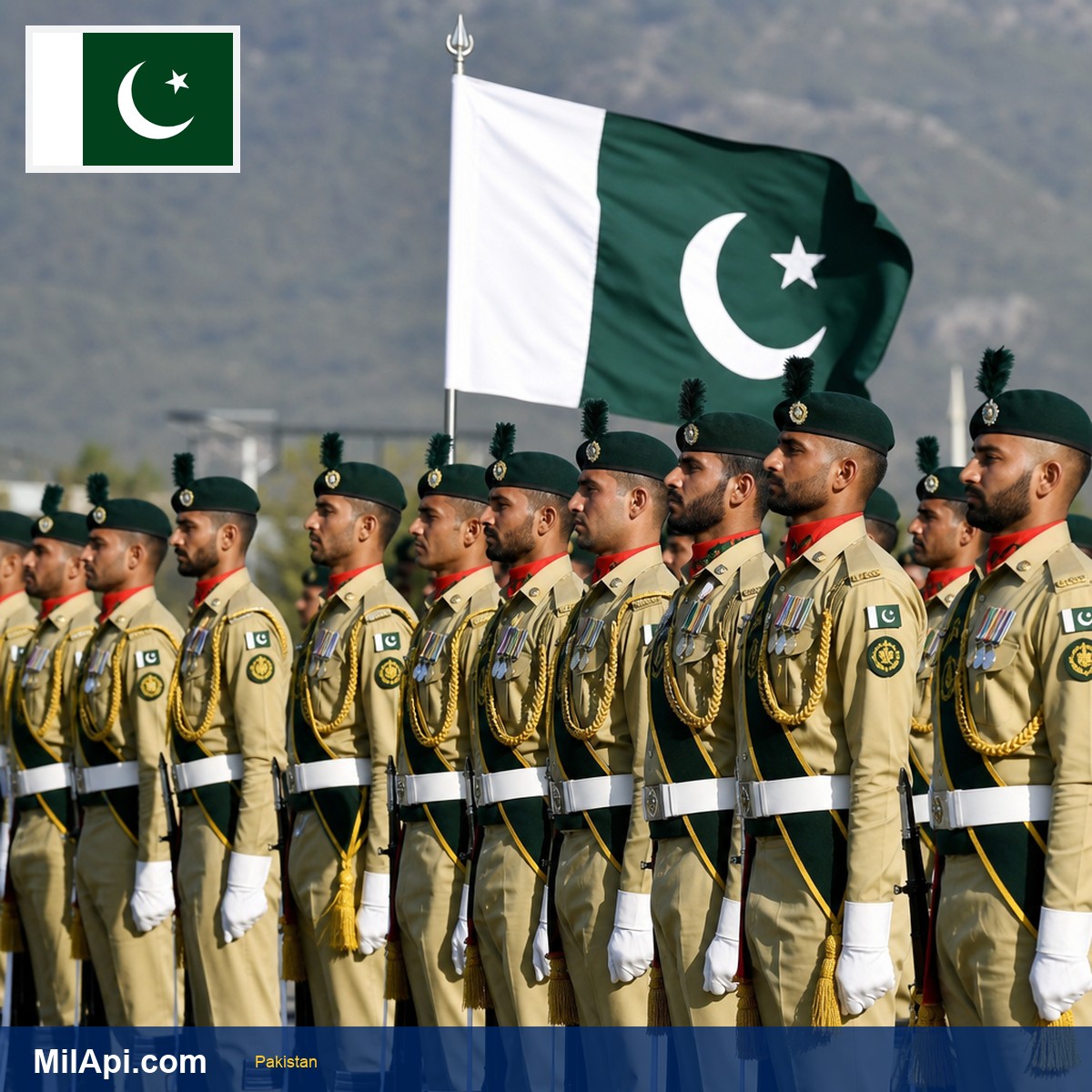
2026-03-06 · Pakistan
Pakistan’s Armed Forces — Force Size Overview
Pakistan maintains one of the world’s larger active forces, with an army-centric structure shaped by regional security geography.
Pakistan’s armed forces typically appear in the upper tier of global active-personnel rankings in open datasets, with the Pakistan Army comprising the majority of that strength. Geography—long contested borders, internal security missions, and Arabian Sea access—shapes a force that is simultaneously conventional and constabulary in mission mix.
As with peer comparisons, definitional hygiene matters. Paramilitary organizations and frontier corps–type structures may be listed separately from regulars. Mixing them without labels produces inflated or incomparable totals. Prefer tables that break out service and status.
Air and naval forces are smaller in headcount but central to deterrence narratives and maritime security. Indigenous and co-produced systems, plus foreign procurement pathways, appear often in open defense trade reporting. Force size rankings rarely capture qualitative edges in training cycles or munitions depth.
Nuclear capability is a strategic overlay that should not be collapsed into “largest army” charts. For public explainers, keep conventional end strength, delivery systems, and doctrine in separate analytical lanes.
Use MilApi.com’s conflicts and companies sections to contextualize Pakistan’s military within regional flashpoints and defense-industrial relationships. Always timestamp estimates and note that open sources disagree on exact billet counts.
Sources & disclaimers
Public estimates only. IISS-style yearbooks, Wikipedia aggregates, and government releases can disagree on definitions (active vs reserve, paramilitary inclusion). Always verify with primary publishers.
- Wikipedia: Pakistan Armed Forces (active personnel estimates)
- Open summaries of Army, Navy, Air Force roles
- Public reporting on nuclear and conventional posture (non-sensitive overview only)